Illustrated Talk by Sean O´Hara of Northern California Mediterranean Garden Society
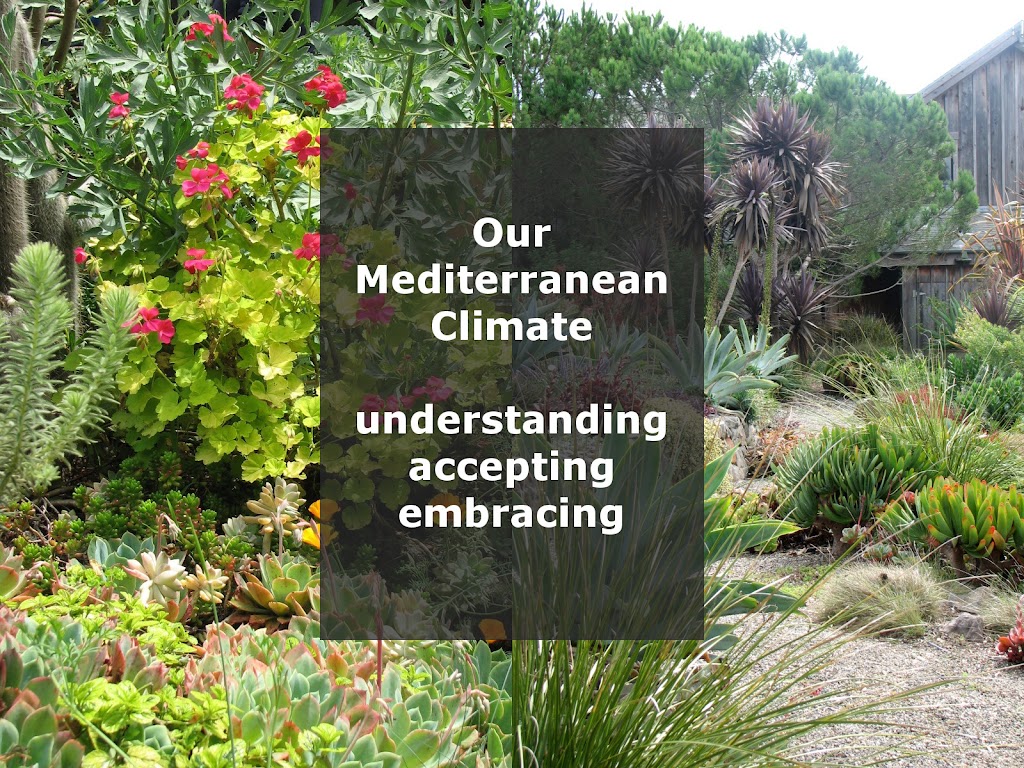

Our Mediterranean Climate – understanding,
accepting, embracing
Wednesday 3rd October 2018 in the Lecture Room, Museu do Traje, São Bras de AlportelSean O´Hara has been making gardens and providing horticultural consulting services to homeowners in the greater San Francisco Bay Area since 1970. He is active in a variety of local horticultural groups and educational gardens. Sean´s own hortulus-aptus (a garden suited to its purpose) has provided a space for him to experiment in from 1975 to the present (43 years). Since his retirement from the University of California Digital Library he has been busy developing an online presence for mediterranean gardeners worldwide, travelling with his wife Deborah, undertaking speaking engagements and writing. This is their first visit to Portugal.
Sean says this is the most recent version of a talk created for the 2016 San Francisco Flower & Garden Show. Usually has a very good response, even for those in the audience who felt they were already knowledgeable regarding the mediterranean climate. Sean was told that he gave audiences many things to think about relating to their personal approach to gardening. He added some extra ‘California context’ as he has witnessed some Europeans’ reaction to the region first-hand, and so wanted to present what might not be obvious.
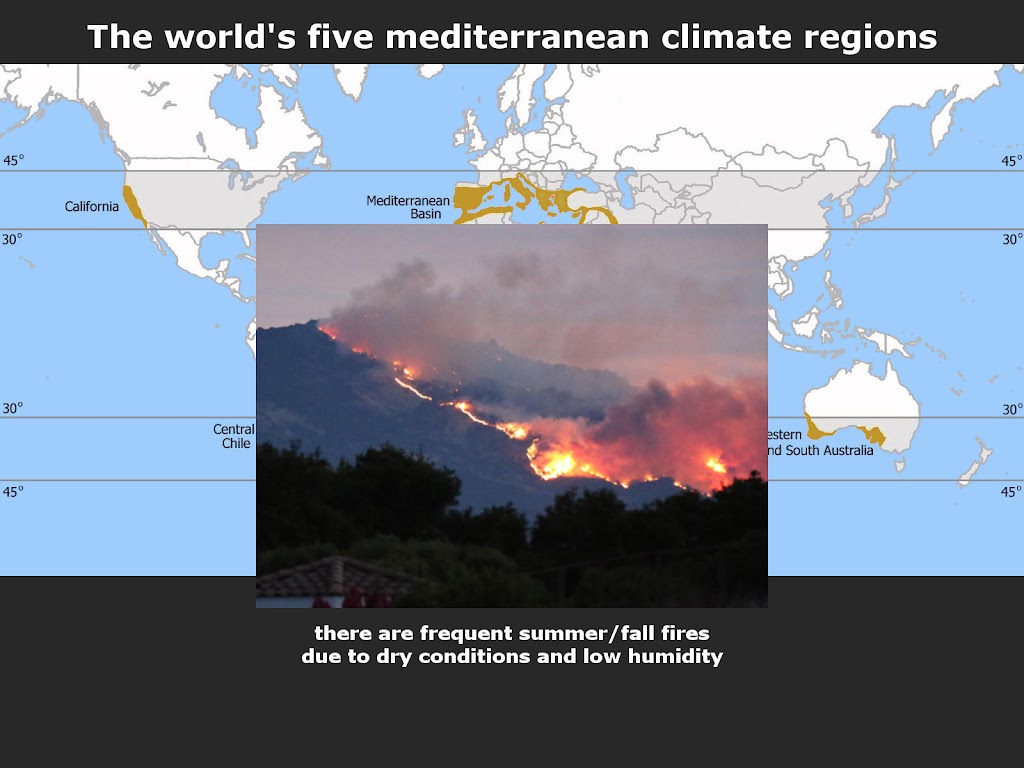
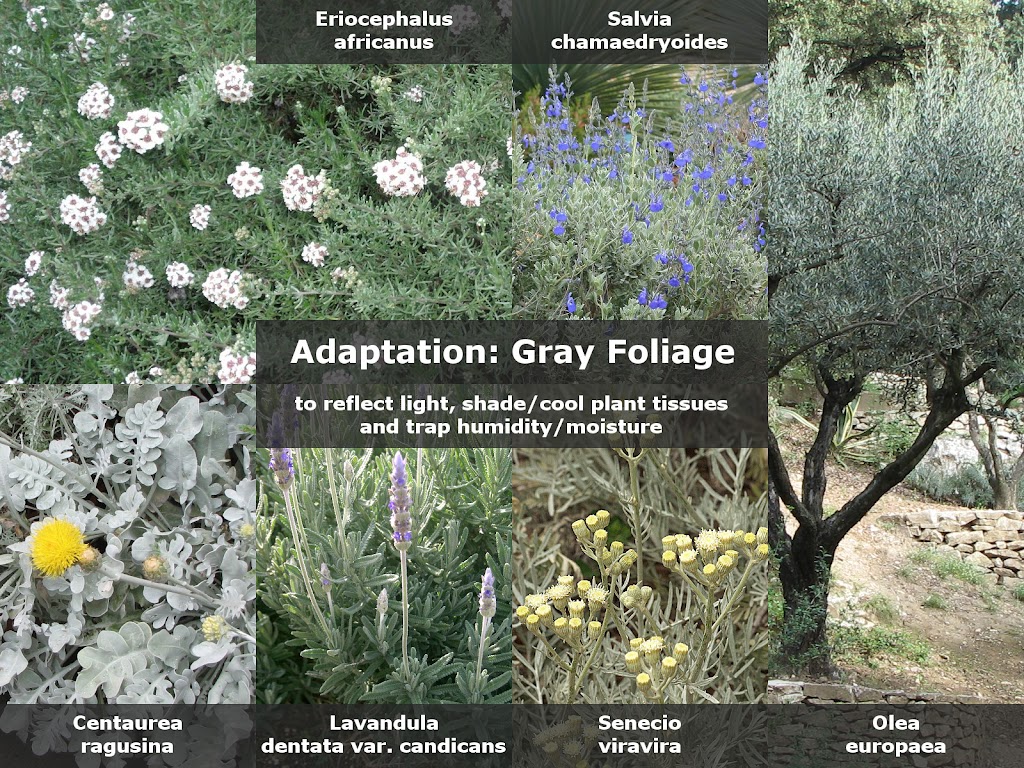
To begin with, Sean took us through the many characteristicsthat mediterranean climate zones have in common. Not just plants but temperature, rainfall patterns, wild fires and short growing seasons. Understanding the conditions is a first step to good plant choices – look for shiny waxy foliage, succulents, small silver grey leaves, aromatic herbs. Drought resistance strategies such as summer dormancy and deep root systems are common in these climate zones. Close planting can provide a ´herbasphere´ where it is cooler inside the plant than out in the sun. There is convergent evolution as a response to the same conditions in many parts of the world.
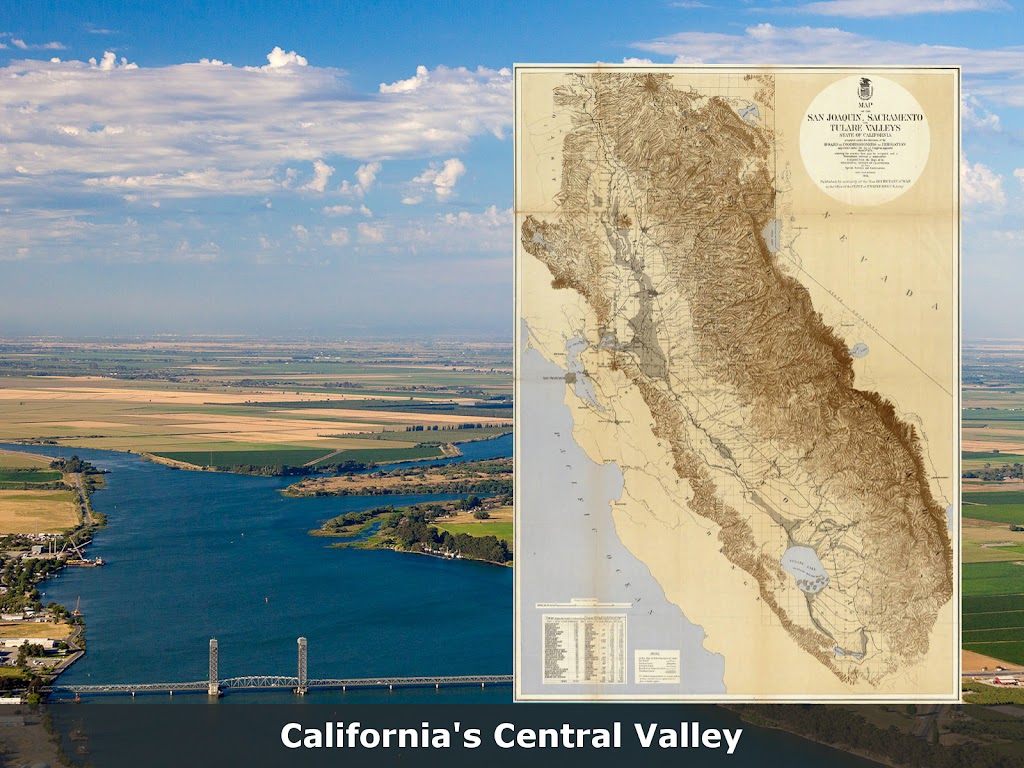
Accepting that drought is normal, that our growing season is the
winter months – even with very variable rainfall, provides the
seasonal framework for appreciating these special climate zones.
Even the Pacific Horticultural Society does not issue a Journal
in the ´dormant´ summer months ! In California there is a big
difference between the north and south. Water from the mountains
in the north is fed down to the desert-like south via a huge
aqueduct, continuously running – but will it be enough ? The
agriculture industry need water to produce crops. Replacing
traditional style plantings with xero-scaped gardens has been
encouraged and supported by local authorities.
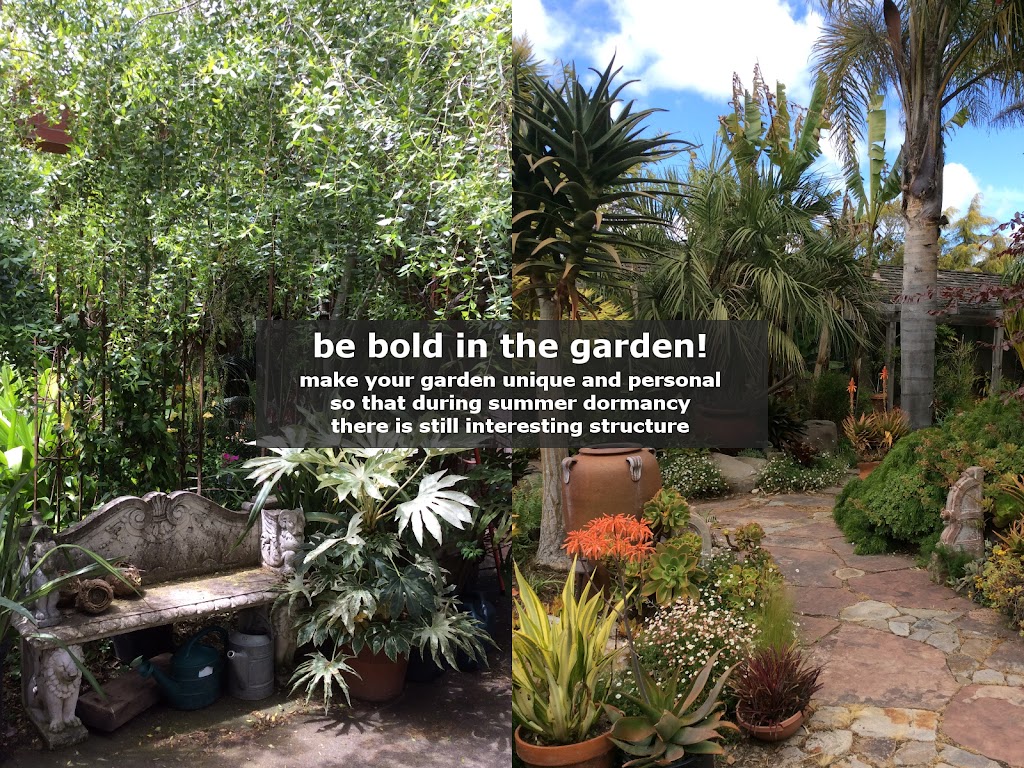
Sean promotes embracing the mediterranean conditions, we should
share our experiences and see the tremendous potential for
beautiful and sustainable gardens with minimal to nil water use.
Water is a very precious resource and our outdoor spaces do not
need it to provide lovely areas for us to enjoy. Take the
opportunity to use winter flowering climbers, shrubs and trees.
The Sunset series of garden help books can still provide much
information and lots of ideas for gardens with no irrigation.
California is relatively ´new´ in geological time with rich soils
but faces enormous challenges from population growth, agriculture
and climate change. These challenges also face other
mediterranean zones and gardeners and landscapers must accept,
embrace and perhaps most important of all, understand how to
respond.
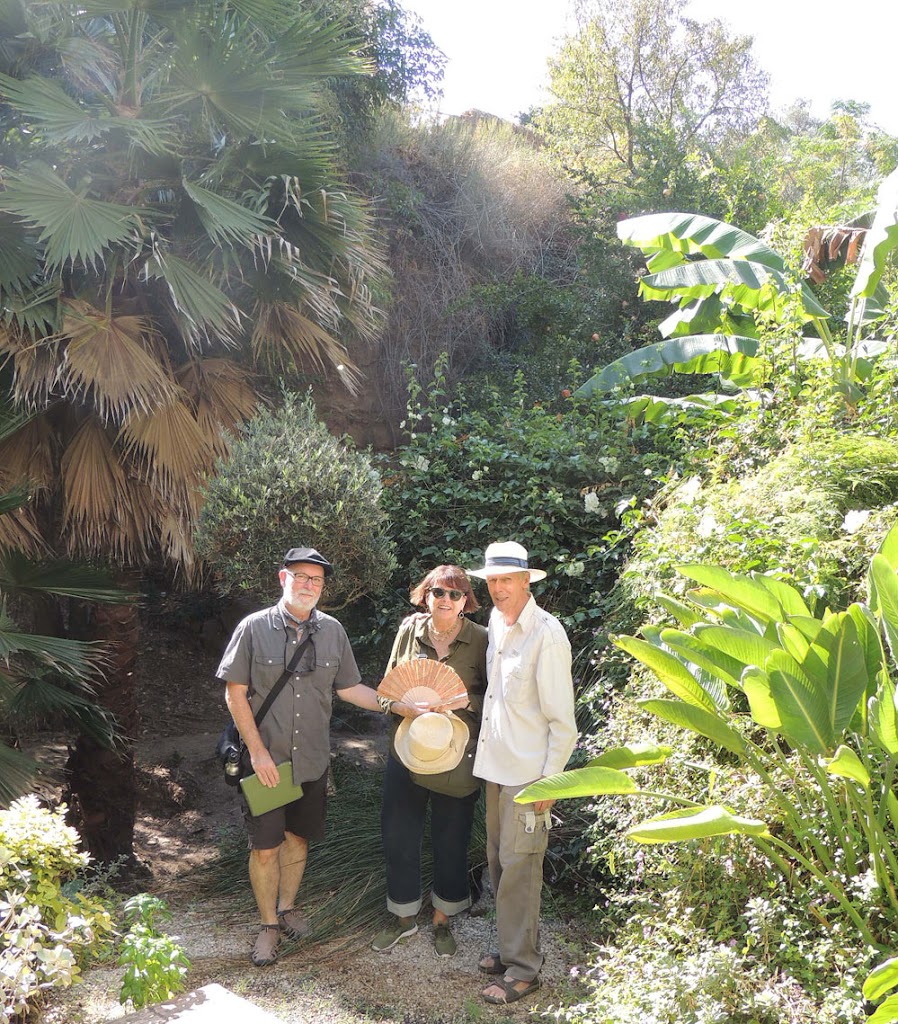
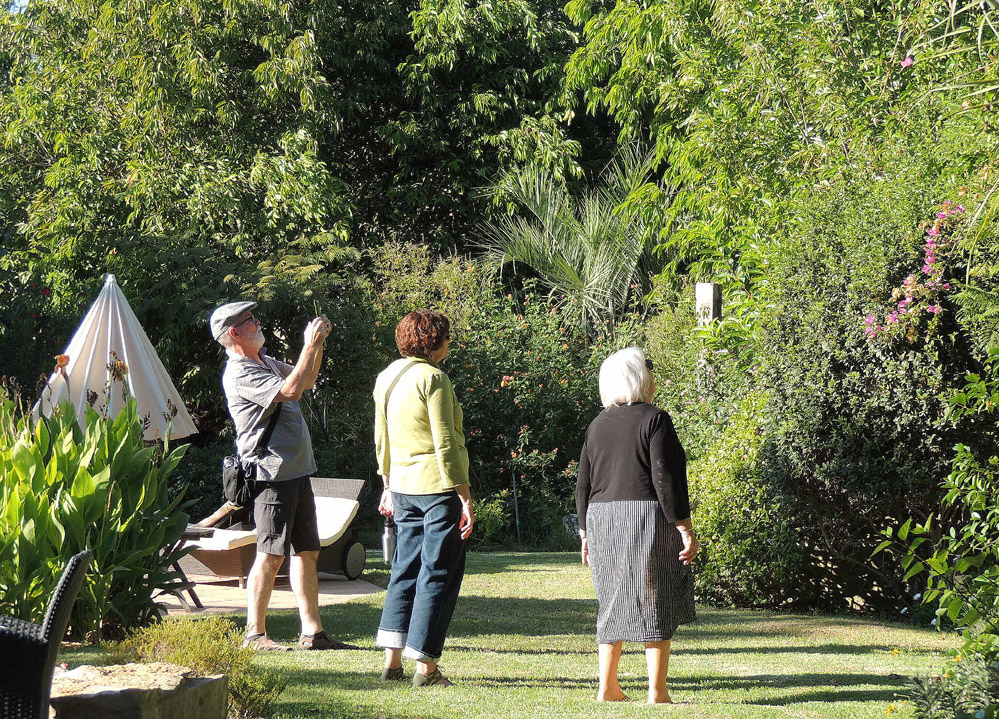
This talk was part of Sean and Deborah´s first visit to Portugal – so we took the opportunity to show them some of the lovely gardens of the Algarve, many thanks to Burford Hurry, Vivian Hirst and Marilyn Medina Ribeiro for making this possible.