Algarve edible garden in winter

In the Algarve, we have a mediterranean climate. This means that during a large part of the year we have no rainfall. These arid conditions can really benefit from permaculture practices, especially so when gardening in the winter, an excellent time to plant in all the mediterranean climate areas.
Here’s the secret: autumn is the start of the gardening year in mediterranean climate areas. Here in the Algarve, this translates to any time after the first rains, usually late September or October. Winters are better for growing many crops because we can garden using natural rainfall. Preparing ground for planting is best done after the first rains help soften compacted soils. Raised beds using moisture conserving mulches and home-made composts on the vegetable garden add quality to the soils.
Many of the smaller vegetables and herbs grow well in containers, and these are much easier to manage for soil quality and watering. Most of the vitamin and mineral rich leafy vegetables, which go to seed in too-hot summers, grow much better in mild winters. In autumn, the ground is still warm even as the air starts to get cooler, and it is the best time for planting most trees, shrubs, ground covers, and perennials.
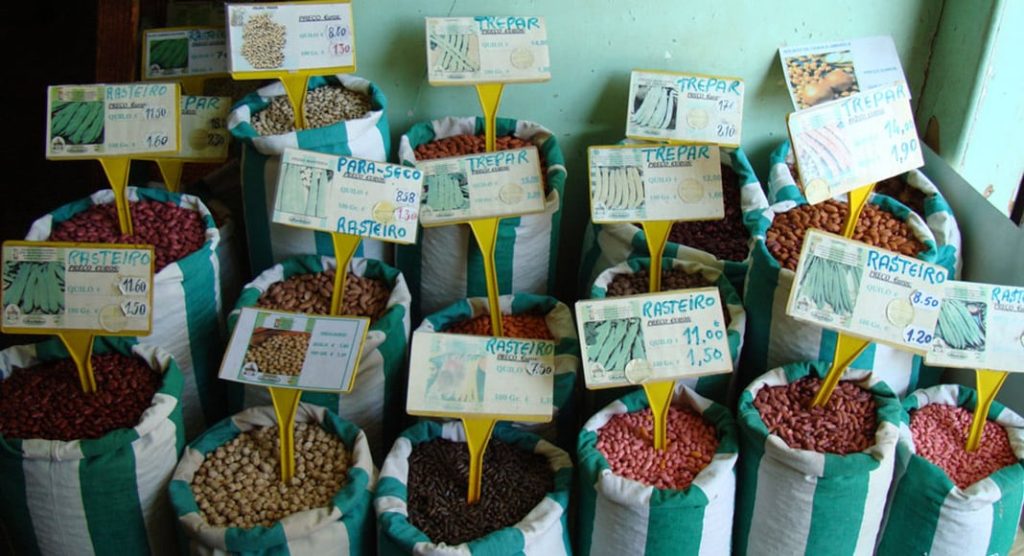
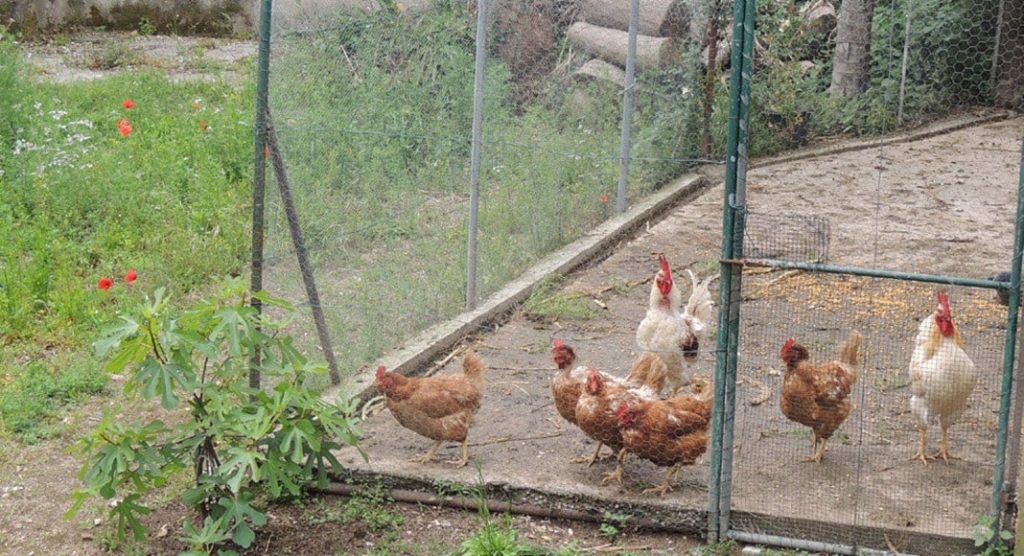
Best autumn plantings are the cool weather lovers: leafy vegetables and root vegetables including almost all the common vegetables of the Brassica (cabbage) family: broccoli and cauliflower, all cabbages (including the wonderful Portuguese varieties), collards, kale, mustards; also, lettuces, celery, chicory, Swiss chard, endives, spinach, garden cress (Lepidium sativum — not the same as watercress), chickweed and purslane (Beldroegas). Also popular are “spicey greens” such as arugula, or rocket (Eruca vesicaria), and broccoli rabe. The newly fashionable micro greens are easily raised from seed and very quick growing. Local seed and plant swaps are a good source for local varieties and look out for the good range of small plug plants available at most markets, these will get your edible garden off to a good start.
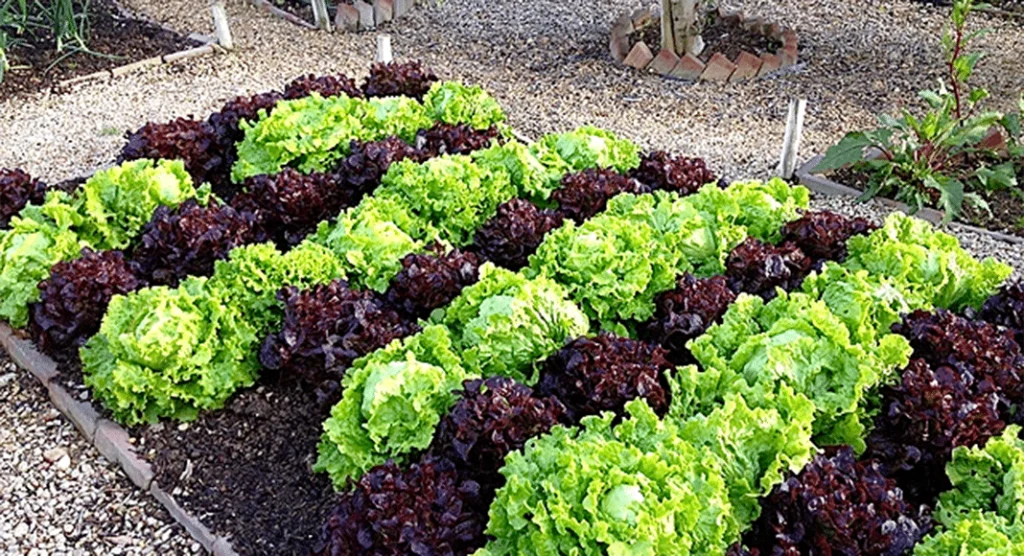
Root vegetables to plant now include parsnips, potatoes, Jerusalem artichokes, beets and kohlrabi. Two crops grown for their greens can also be grown for their roots: celeriac and parsley. Three more of the cabbage family crops which can also be grown for their greens as well as their roots are radishes, swedes and turnips.
Although potatoes and the sweet potato are traditionally planted in the spring, they can also be planted in autumn in mediterranean climate areas; the tops will be killed by any frost, but the tubers will be very tasty. You may save your own seed potatoes but be careful of shop bought potatoes as some are sprayed with hormones as growth inhibitors to stop them from sprouting.
Carrots can also be grown during the winter in Mediterranean climate areas. Get them off to a good start now, while the weather is still warm, and they will get through the winter fine and be harvestable for early spring eating. The best artichokes are those grown in the winter because they grow slowly and put all that tasty “meat” on their leaves.
Also good to plant now are perennials such as artichoke, chuchu (Sechium edule), lemon balm (Melissa officinalis), sorrel, salad burnet, winter savory, and red berry fruits such as red currants; Florence fennel and gooseberries; “weeds” like dock, nettles, sow thistle, dandelions, and shepherd’s purse. Fava beans, also known as broad beans, will enrich the soil as a ground cover and are a great food crop. Snap peas (sugar snap/sugar/ China peas) are excellent for planting in autumn. Members of the Allium genus, including garlic and shallots are planted now but won’t be ready until summer because they need a long growing season; bulbing tree onions, chives and leeks are also planted as cool weather arrives.
Do not be shy about harvesting some vegetables when they are small, they will be tender and tasty, and thinning will leave room for the others to grow bigger. A very wise gardener once told me that the very best time for any task in the garden was “when you are in the mood”, including picking fresh produce from your own garden.
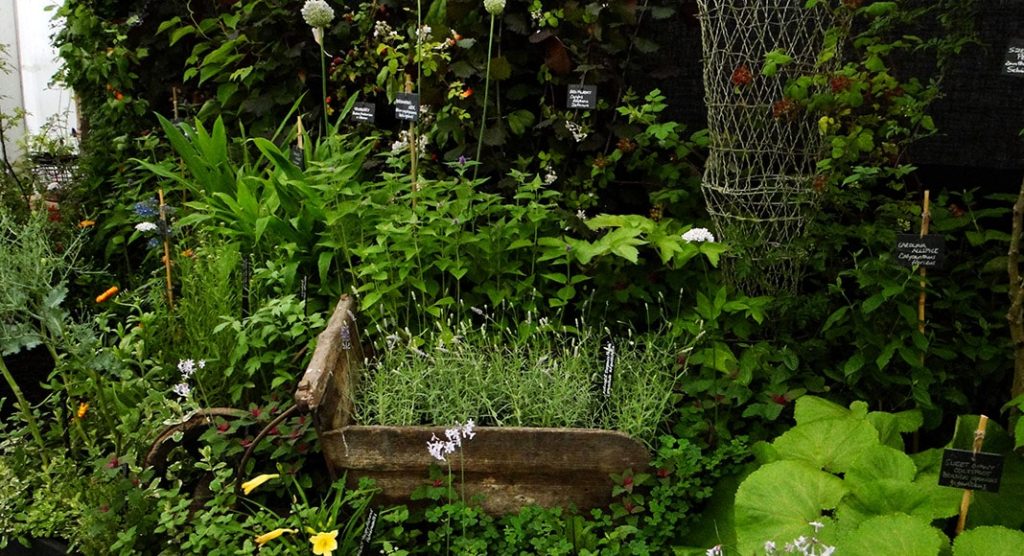
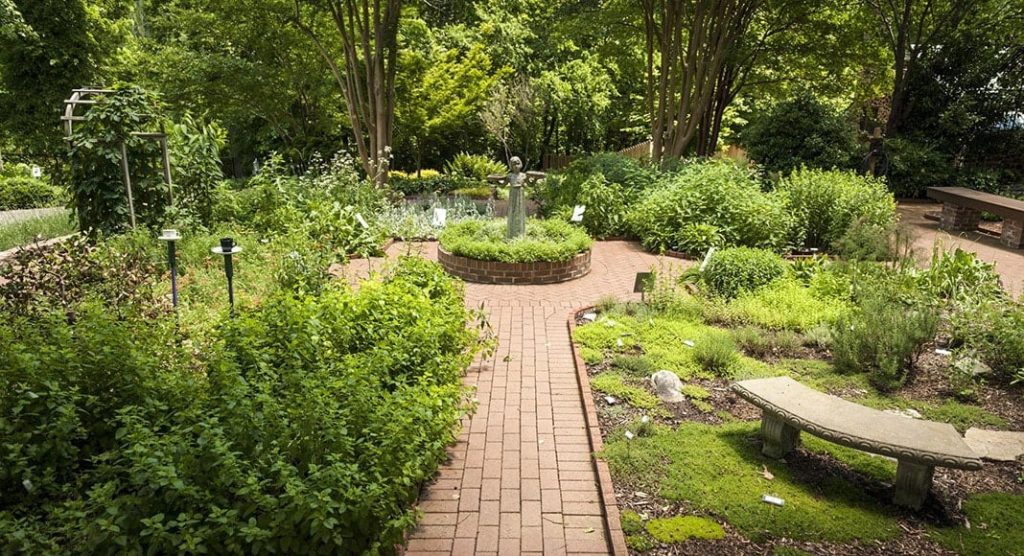
Do not forget your herb garden during the cooler months. Now is a good time to harvest the plump leaves of kitchen staples such as rosemary, thyme and mint to hang in bunches in the shade for drying. If you wish to establish a new herb garden, consider making a raised bed and, above all else, ensure good drainage for these aromatic plants. They hate cold wet feet, just like we do!
https://www.motherearthnews.com/organic-gardening/companion-planting-guide-zmaz81mjzraw
Posted by Rosie Peddle
December 2020